
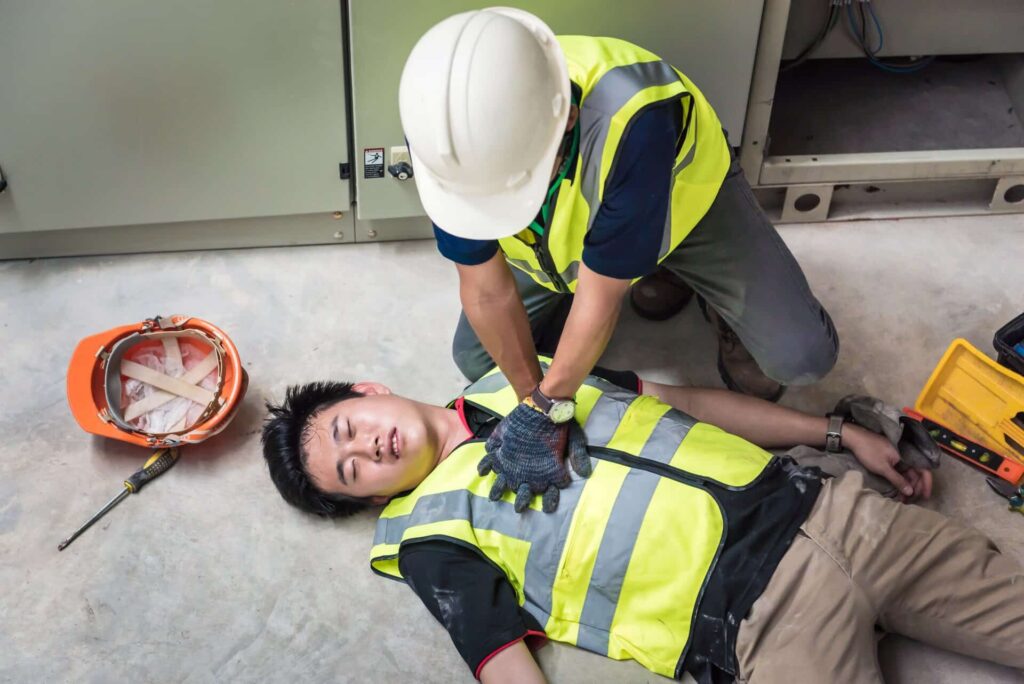
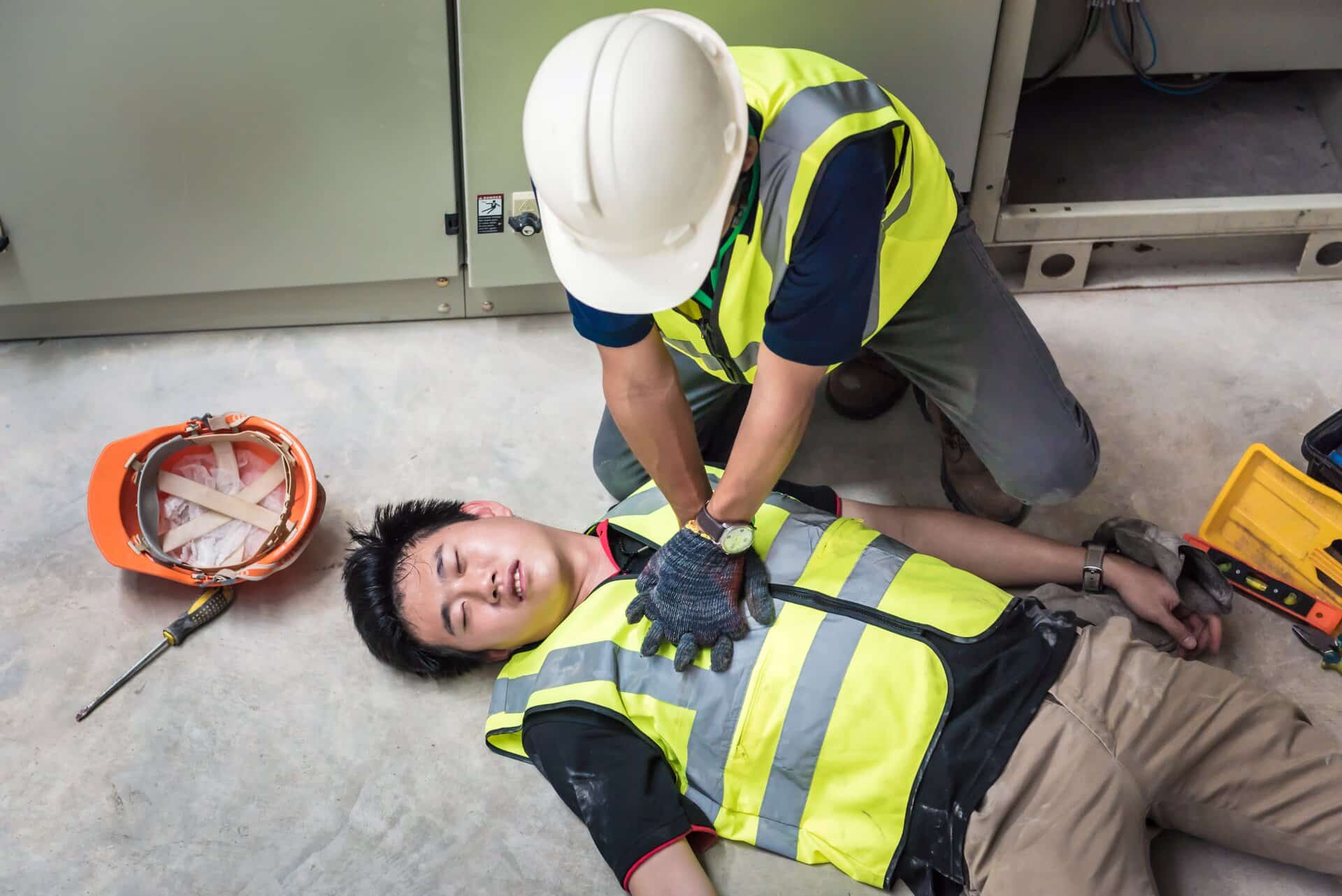
Electricians and field workers operate in environments where safety risks are part of daily tasks. From handling live electrical systems to working in unpredictable outdoor conditions, the potential for accidents is always present. While technical skills and safety protocols are essential, emergency response knowledge can make the difference between life and death. This is why specialised training in resuscitation and electrical rescue plays such a critical role in these professions.
The Risks In Electrical Work
Electrical work carries inherent dangers that are often underestimated. Contact with live wires, faulty equipment, or unexpected power surges can lead to severe injuries, including electric shock, burns, and cardiac arrest. Field workers who operate in remote locations may also face delays in receiving professional medical assistance. In such situations, immediate response becomes the most important factor in improving survival outcomes.
Being prepared for emergencies ensures that workers are not just capable of preventing accidents but also equipped to act effectively when something goes wrong. Training programs designed specifically for these scenarios focus on real-world applications that align with workplace risks.
Searching for a fire watch security guard near me allows property owners to quickly find local professionals during emergencies or fire system failures. Nearby guards can respond rapidly, patrol high-risk areas, monitor hazards, and maintain accurate activity reports to ensure buildings remain compliant and protected around the clock.
Life Saving Skills That Make A Difference
One of the primary reasons these training programs are essential is their focus on life-saving techniques. Learning how to respond to cardiac arrest, perform chest compressions, and safely manage electrical hazards can significantly improve the chances of survival. The inclusion of CPR LVR training ensures that workers can respond quickly and confidently when faced with an emergency.
These skills are not only valuable in the workplace but also extend to everyday life. Whether helping a colleague or assisting someone in a public setting, trained individuals are better prepared to act without hesitation.
The Importance Of Low-Voltage Rescue Knowledge
Low-voltage incidents are among the most common hazards electricians encounter. Even lower levels of electrical current can be dangerous, especially when exposure is prolonged or involves sensitive areas of the body. Understanding how to safely rescue someone from an electrical source without putting oneself at risk is a critical component of any safety strategy.
Enrolling in an LVR course provides workers with practical techniques for isolating power sources, using protective equipment, and executing safe rescue procedures. This knowledge reduces panic during emergencies and promotes a structured response that prioritises safety for both the victim and the rescuer.
Enhancing Workplace Safety Culture
Workplaces that invest in safety training create a stronger culture of responsibility and awareness. Employees who are trained in emergency response become more attentive to potential hazards and more proactive in maintaining safe conditions. This collective mindset reduces the likelihood of accidents and fosters a team environment where everyone looks out for one another.
Employers also benefit from having a workforce that is capable of managing emergencies internally. Quick action can minimise the severity of incidents, reduce downtime, and demonstrate a commitment to employee well-being.
Compliance With Industry Standards
Many industries require workers to complete safety training as part of regulatory compliance. Electrical and construction sectors, in particular, have strict guidelines to ensure that workers are prepared for emergencies. Completing recognised training programs helps organisations meet these standards and avoid potential legal issues.
Participating in CPR LVR courses ensures that workers remain up to date with the latest safety practices and techniques. Regular refresher training is often necessary to maintain certification and keep skills sharp.
Building Confidence In High-Pressure Situations
Emergencies are often chaotic and stressful, making it difficult for untrained individuals to respond effectively. Training helps build confidence by providing hands-on experience and clear guidance on what to do in critical moments. Workers who have practised these scenarios are more likely to remain calm and take decisive action.
Confidence also reduces hesitation, which is crucial when every second counts. The ability to assess a situation quickly and apply the correct response can greatly influence the outcome of an incident.
Supporting Career Development
In addition to safety benefits, these training programs can also enhance career prospects. Employers value individuals who bring both technical expertise and safety awareness to the job. Having recognised certifications demonstrates a commitment to professional growth and responsibility.
For electricians and field workers, these qualifications can open doors to more advanced roles or specialised positions where safety leadership is required. It also shows a willingness to go beyond basic requirements to ensure a safer working environment.
Conclusion
CPR and LVR training is not just an added qualification for electricians and field workers; it is a vital component of workplace safety. These courses save lives, decrease hazards, and foster a culture of readiness by providing personnel with the skills they need to respond successfully in an emergency. In high-risk industries where every moment matters, being trained can make all the difference.